Education is the bedrock of any society’s development. According to statistics, the illiteracy level in Africa remains the highest in the world. Reports have it that Chad, Mali, and Southern Sudan account for the lowest level of illiteracy in Sub-Saharan Africa. It is estimated that about 32% of Sub-Saharan Africa is illiterate. That means one in every three people is uneducated.
Africa’s underdevelopment can be traced primarily to its poor educational levels. This has also affected the leadership structure on the continent, such that a large proportion of the leadership cadre in Africa is either illiterate or half-literate.
Closing the education and leadership gaps in Africa requires deliberate and concerted efforts. It requires a huge amount of funding, effective training and retraining for teachers, improved education infrastructure, and active involvement of government and private partnerships.
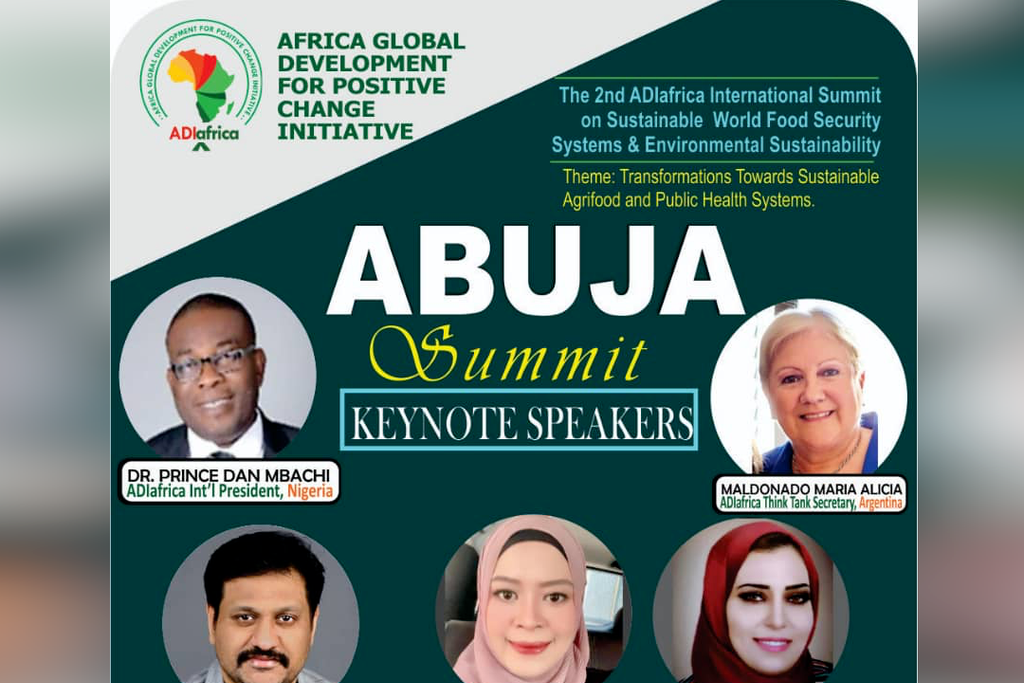
At the heart of Africa’s education and leadership development is Africa’s Global Development for Positive Change, also known as ADiafrica. ADiafrica is a globally recognized NGO. It has carried out several research studies on the education and leadership structures in Africa, and fully understands the widening gaps in these sectors.
Key Strategies to Closing the Gaps
Education is the key to an improved education and leadership system in Africa. This article will be discussing ome of the identified areas that need urgent attention to resolve the education gap in Africa.
- Funding and Infrastructural Development
Perhaps, funding is unarguably the greatest gap hampering Africa’s educational development. According to data from UNICEF, most African nations allocate less than 4% of their GDP to education, which is far too little to address the education sector behind the recommended 20%.
To bridge the funding gap, ADIafrica empowers youth with laptops and offers vocational training to cushion the effects of unemployment and poverty. In addition, ADiafrica leads public advocacy for education for the girl child, ensuring that pupils from very poor homes get basic education to primary and secondary levels.
- Strengthen the Education System.
Education in developing countries is quite expensive. Fostering partnerships between educational institutions and industries to equip youths with relevant skills is key to bridging the education gap. Furthermore, ADiafrica helps to strengthen the educational system through access to technology, data utilization, and inclusive participation.
Investing in teachers’ professional development is another effective way of helping narrow the gap in education. NGOs, including ADiafrica provide funding support to schools, which helps transform the education system on the continent. Finally, research programs for postgraduate studies in strategic areas also enhance education transformation.
- Leadership Development
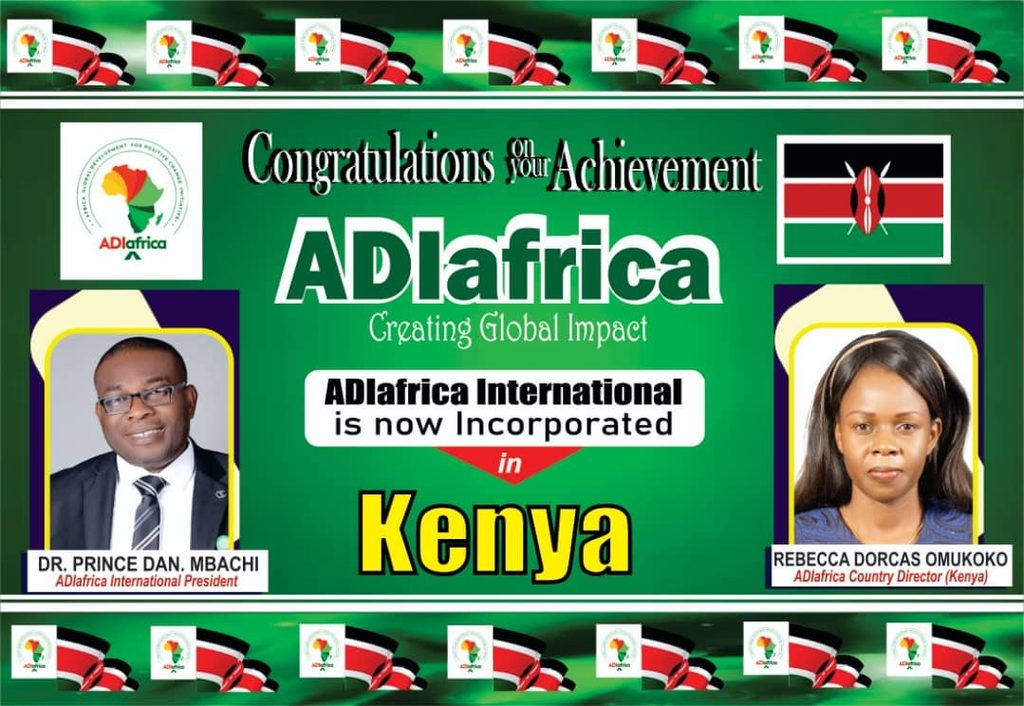
Leadership has been one of the greatest challenges facing Africa and its institutions. Identifying key areas of engagement is crucial to mitigating the yawning education gap.ADiafrica offers programs such as the Leadership Accelerator Program, which is designed to address gender disparity in women’s leadership on the continent.
Skills acquisition, particularly for youths and women, forms a major chunk of leadership development in Africa. These groups are often either neglected or not accommodated in decision-making, planning, strategy, and policy implementation.
The Need to Close the Gap
Like the popular saying, “if you think education is expensive, try ignorance”! Illiteracy, ignorance, ;poverty, etc., are by-products of poor leadership. Without quality education, good leadership cannot be guaranteed.
Education and leadership development are key elements to Africa’s development and should be treated with urgency. Africa is in urgent need of educational and leadership transformation. The world cannot continue to grapple with unending political and economic conflicts, an incredible level of poverty, and a community in search of identity.
Conclusion
In closing the education and leadership gaps in Africa, all hands must be on deck because, in a connected world we live in today, a problem in Africa can escalate to become a global challenge.
By supporting organizations like ADiafrica and others, we can eliminate or reduce to the barest minimum illiteracy levels in Africa. Providing adequate funding for infrastructure and research, strengthening the education systems, and engaging in leadership development innovations can contribute in great measure to closing the gaps identified in this article.